


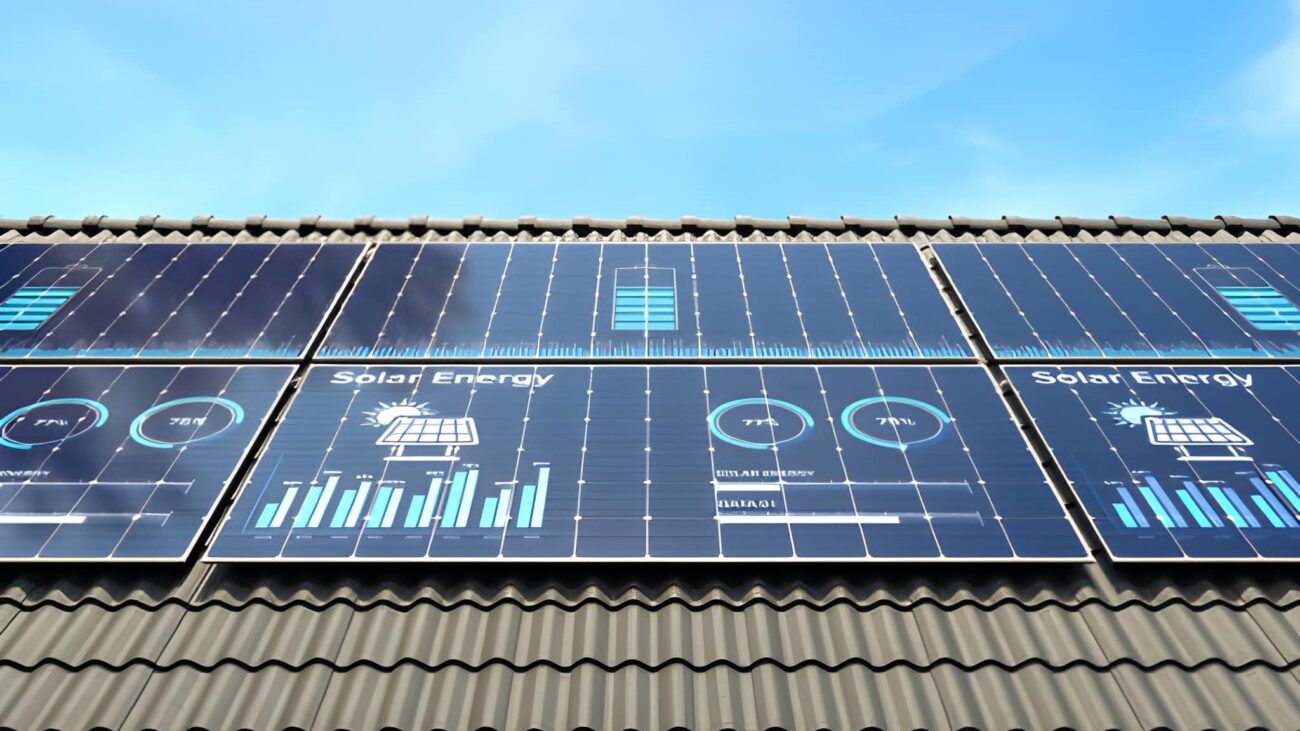
Understanding the solar panel price in Pakistan has become essential for households and businesses planning a shift toward clean and dependable energy in 2026. With rising electricity tariffs, frequent grid interruptions, and growing environmental awareness, solar power is no longer a luxury; it is a thoughtful investment in stability and self-reliance. As the market matures, prices, technologies, and system options continue to evolve, making informed decisions more important than ever.
Current Outlook of Solar Panel Price in Pakistan
In 2026, the price of solar panels in Pakistan reflects a balance between global manufacturing trends, local demand, and currency conditions. While international panel production has become more efficient, local factors such as import duties, logistics, and installation standards still influence final costs. Overall, solar panels remain more accessible today than they were just a few years ago, offering long-term savings despite short-term price variations.
Buyers now focus not only on upfront cost but also on panel efficiency, durability, warranty, and compatibility with modern inverters. This shift in mindset has helped stabilize the solar panel price in Pakistan, as quality and performance are valued alongside affordability.
Understanding Wattage and Its Role in Solar Panel Price in Pakistan
Wattage plays a central role in determining the solar panel price in Pakistan. Higher-watt panels generate more electricity from the same surface area, making them ideal for rooftops with limited space. For residential and commercial users alike, selecting the right wattage ensures optimal performance and value over the system’s lifespan.
For example, the solar panel 550 watt price in Pakistan is often considered a balanced option for homes seeking efficiency without a high upfront cost. These panels are widely used in mid-sized systems and pair well with modern hybrid and on-grid inverters.
Similarly, interest in higher-capacity panels continues to grow. The 600 watt solar panel price in Pakistan reflects demand from users aiming to maximize output with fewer panels. These panels are especially useful for commercial rooftops and larger residential setups where efficiency per square foot matters.
Market Demand for Advanced Panel Ratings
As technology advances, newer ratings have entered the spotlight. Many buyers now compare the solar panel price in Pakistan: 585 watts category because it sits between traditional and high-capacity panels, offering strong output with proven reliability. These panels are often chosen by users who want slightly higher generation without stepping into ultra-high wattage costs.
At the higher end, the 750 watt solar panel price in Pakistan represents premium performance. Such panels are typically used in commercial or industrial projects where scale, efficiency, and long-term output justify the investment. While the initial cost is higher, the energy yield over time often balances the equation.
On the other hand, smaller systems still have their place. The 180 watt Solar Panel price in Pakistan remains relevant for low-load applications, small backup systems, rural electrification, or dedicated uses such as lighting and security. These panels are affordable and practical when space and budget are limited.
Installation, Quality, and Long-Term Value
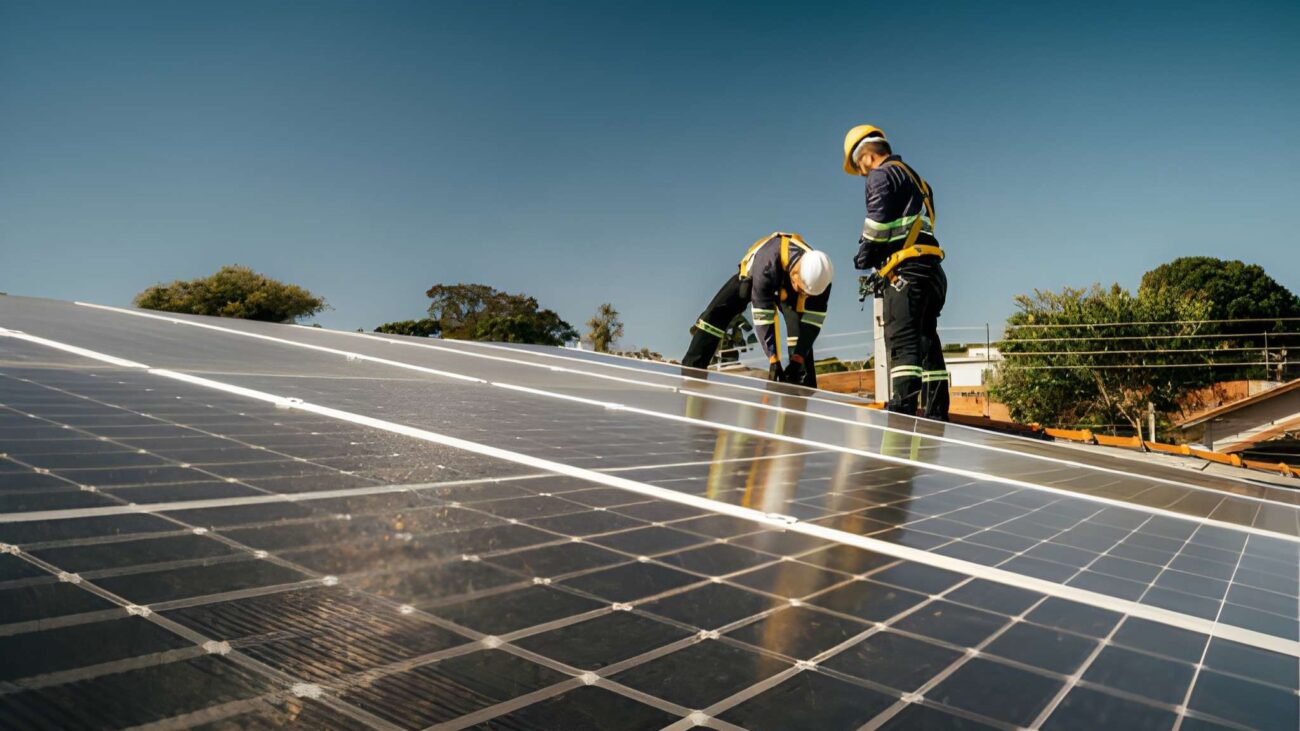
When discussing the solar panel price in Pakistan, it is important to look beyond the panel itself. Installation quality, mounting structures, wiring, and system design significantly affect overall performance. A slightly higher-priced panel installed correctly often delivers far more value than a cheaper panel installed poorly.
Durability is another key factor. Panels designed to withstand heat, dust, and seasonal weather variations common in Pakistan tend to offer better returns over time. This is why many buyers now prioritize trusted solar brands and certified installers rather than focusing only on the lowest solar panel price in Pakistan.
The Role of Complete Solar Systems
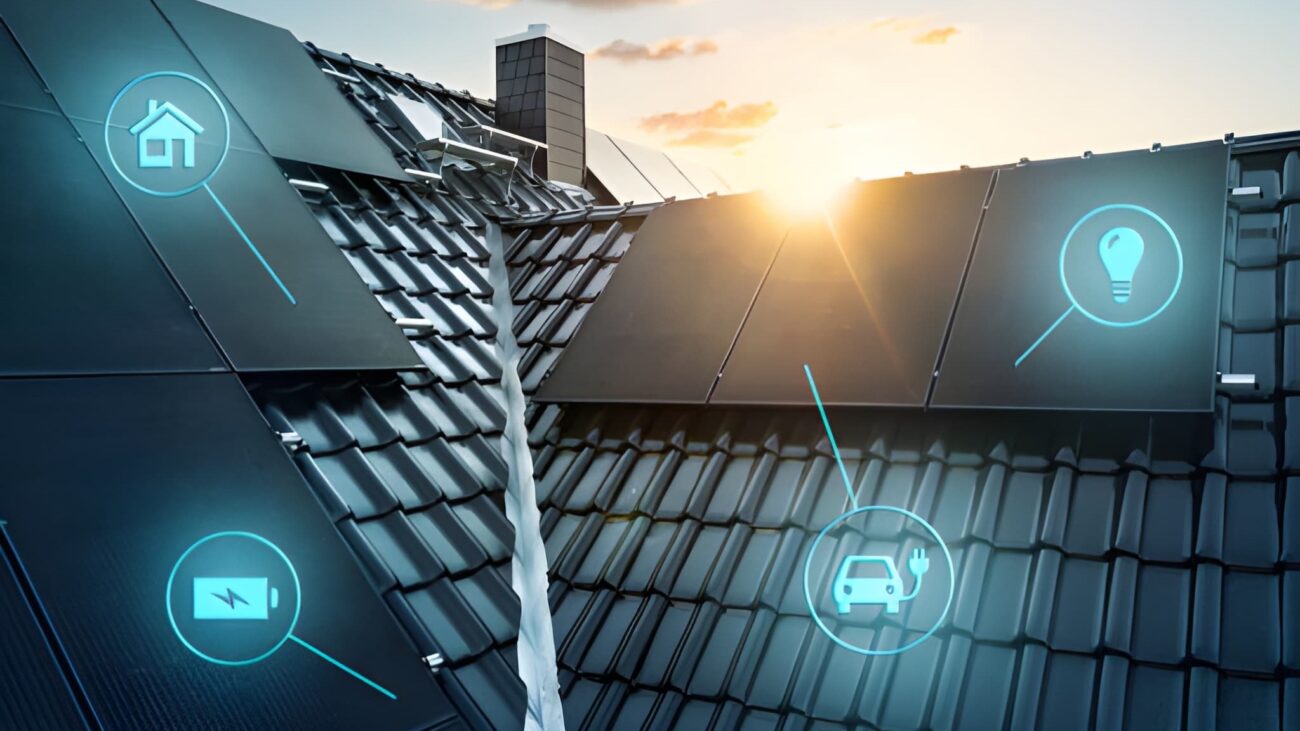
Modern buyers increasingly opt for complete solar solutions rather than standalone panels. Integrated systems ensure compatibility between panels, inverters, and batteries, resulting in smoother operation and higher efficiency. This approach also simplifies maintenance and future upgrades.
Brands like Must Power provide thoughtfully engineered solar systems designed for Pakistan’s energy environment. Their offerings range from residential setups such as 3.5 KW and 4 kW dual output systems to advanced 12 KW three-phase hybrid solutions. These systems are supported by WiFi-enabled inverters with IP66 protection, pure sine wave output, BMS support, and efficiency levels reaching up to 99%.
Such features quietly influence the perceived solar panel price in Pakistan, as buyers recognize the added value of reliability, smart monitoring, and long-term peace of mind.
Choosing a solar system is not only a financial decision but also a commitment to a calmer, more secure energy future. This is where Must Power stands apart gently. With a comprehensive range of on-grid and hybrid solar systems, carefully matched components, and modern inverter technology, Must Power allows users to step into solar energy with confidence and clarity.
Their systems are designed to work in harmony with solar panels, inverters, and batteries aligned for efficiency, safety, and quiet performance. Rather than overwhelming users with complexity, the focus remains on smooth operation, dependable output, and respectful integration into daily life. In a market shaped by fluctuating solar panel prices in Pakistan, such consistency becomes a source of reassurance.
Looking Ahead at Solar Panel Price in Pakistan
As 2026 progresses, the solar panel price in Pakistan is expected to remain competitive, with gradual improvements in efficiency and system intelligence. Government policies, net metering awareness, and energy independence goals will continue to support solar adoption across residential, commercial, and industrial sectors.
Ultimately, solar energy is not only about numbers and wattage. It is about stability, foresight, and responsibility. By understanding market trends, panel options, and system quality, buyers can choose solutions that quietly serve them for decades.
Conclusion
The solar panel price in Pakistan in 2026 reflects a mature and steadily advancing market. From the practicality of 180-watt panels to the power of 750-watt modules, there is a solution for every scale and purpose. When paired with reliable inverters and professional installation, solar energy becomes a serene presence working silently, saving consistently, and supporting a brighter future.
FAQ’s
1. What factors influence the solar panel price in Pakistan in 2026?
The solar panel price in Pakistan is influenced by panel wattage, brand reputation, efficiency level, import costs, currency exchange rates, and overall market demand. Installation quality and system design also affect the final cost.
2. Which solar panel wattage is best for a typical home?
For most homes, panels between 550 and 600 watts provide an effective balance of power generation and space utilization. System size should always be matched with daily energy consumption and roof area.
3. Is a higher-watt solar panel always better?
Higher-watt panels generate more electricity per panel, but they are not always necessary. The right choice depends on available space, budget, and energy needs rather than wattage alone.
4. How does the solar panel 550 watt price in Pakistan compare with larger panels?
The solar panel 550 watt price in Pakistan is generally more affordable than ultra-high wattage panels while still offering strong performance, making it a popular option for residential systems.
5. Do solar panel prices include installation and inverters?
Usually, panel prices are quoted separately. Complete solar systems include panels, inverters, mounting structures, wiring, and installation, which together determine the total project cost.
6. How long does it take to recover the cost of a solar system?
Most users recover their investment within four to six years, depending on system size, electricity usage, and grid tariff rates.
7. How long do solar panels typically last?
Quality solar panels usually last 25 years or more, with gradual performance reduction over time rather than sudden failure.
8. Why choose a complete solar system instead of separate components?
Complete systems ensure compatibility, higher efficiency, easier maintenance, and better long-term reliability compared to mixing components from different sources.